
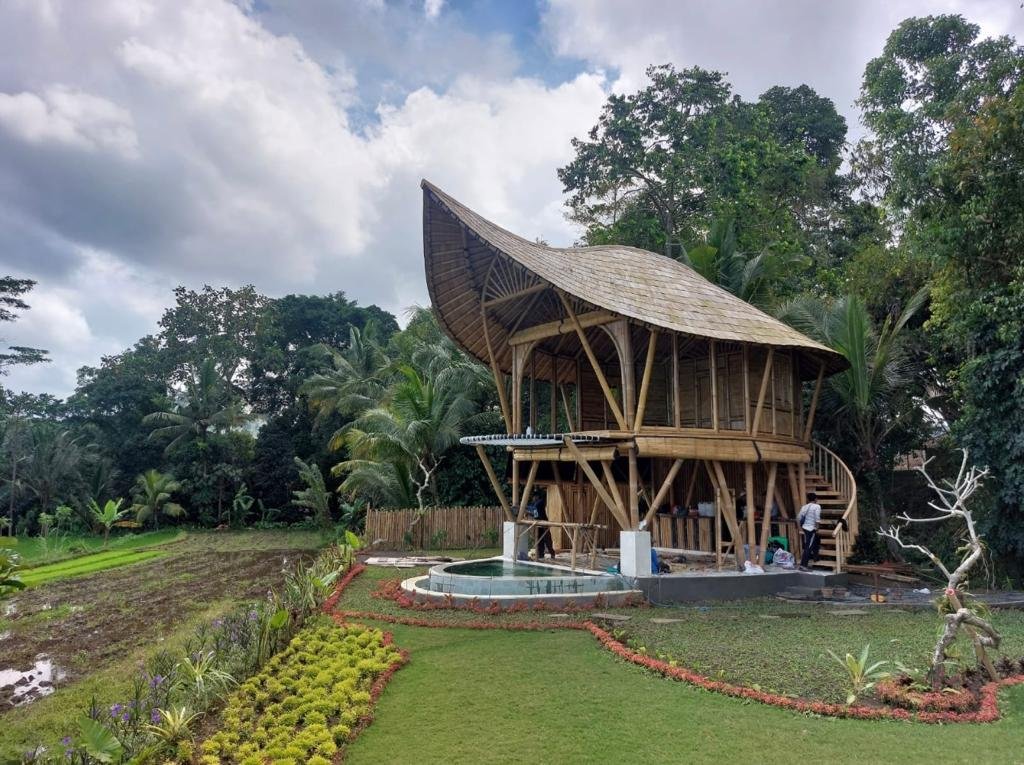
Sustainable development with bamboo offers an eco-friendly solution to many environmental challenges. As climate change, deforestation, and plastic pollution continue to affect our planet, people are searching for better ways to protect natural resources. Bamboo offers a promising option because it grows quickly, regenerates after harvesting, and serves many practical purposes. Therefore, it can help communities build a more sustainable future.
Bamboo has natural strength, flexibility, and fast growth. Certain bamboo species can grow quickly and produce new shoots from their existing root systems. As a result, people can use bamboo for construction, furniture, packaging, and everyday products. Furthermore, choosing responsibly sourced bamboo can reduce our dependence on less renewable materials.
How Bamboo Supports Sustainable Development
Bamboo offers many ways to support a sustainable lifestyle. For example, builders use it to construct houses, while designers turn it into furniture and decorative products. In addition, manufacturers use bamboo to create reusable products and eco-friendly packaging. Its lightweight structure and natural strength also make it useful for construction when workers apply proper treatment and design techniques.
Beyond environmental benefits, bamboo creates economic opportunities for local communities. Farmers can grow and sell bamboo, while craftsmen can turn it into valuable products. Small businesses can also develop new products from this natural resource. In Indonesia, especially Bali, entrepreneurs and architects use bamboo in sustainable architecture and eco-friendly tourism. Consequently, bamboo supports environmental protection and local economic growth.
Bamboo and Environmental Protection
Bamboo can help protect the environment when communities manage it responsibly. Its root system helps hold soil together and reduce erosion. Moreover, bamboo absorbs carbon dioxide as it grows and stores carbon in its biomass. Its fast-growing nature also gives communities a renewable source of raw materials.
However, bamboo still requires proper care. Excessive harvesting and poor farming practices can harm local ecosystems. Moisture, insects, and fungi can also damage bamboo products. For this reason, farmers and manufacturers should follow responsible harvesting methods and use suitable preservation techniques.
Readers can learn more about bamboo and its contribution to sustainable development through the International Bamboo and Rattan Organisation (INBAR) . This organization shares knowledge and resources about bamboo, rattan, and sustainable development.
Building a Greener Future with Bamboo
Sustainable development with bamboo creates opportunities for a greener future. Communities can reduce environmental impacts by choosing renewable materials and supporting responsible production. Furthermore, architects and designers can combine traditional knowledge with modern technology to create innovative bamboo products and buildings.
In Bali, bamboo also offers exciting opportunities for sustainable tourism. Architects use its natural appearance to create beautiful villas, resorts, and spaces that connect with the surrounding environment. As a result, bamboo helps the tourism industry explore more environmentally conscious designs.
Conclusion
Bamboo is more than just a natural material; it is a valuable resource for building a sustainable future. Its fast growth, renewable properties, and wide range of uses make it an eco-friendly option for construction, furniture, and everyday products. Moreover, bamboo creates economic opportunities for local communities and encourages responsible resource management. By using bamboo wisely and combining traditional knowledge with modern innovation, we can protect the environment and create a greener future for generations to come.