
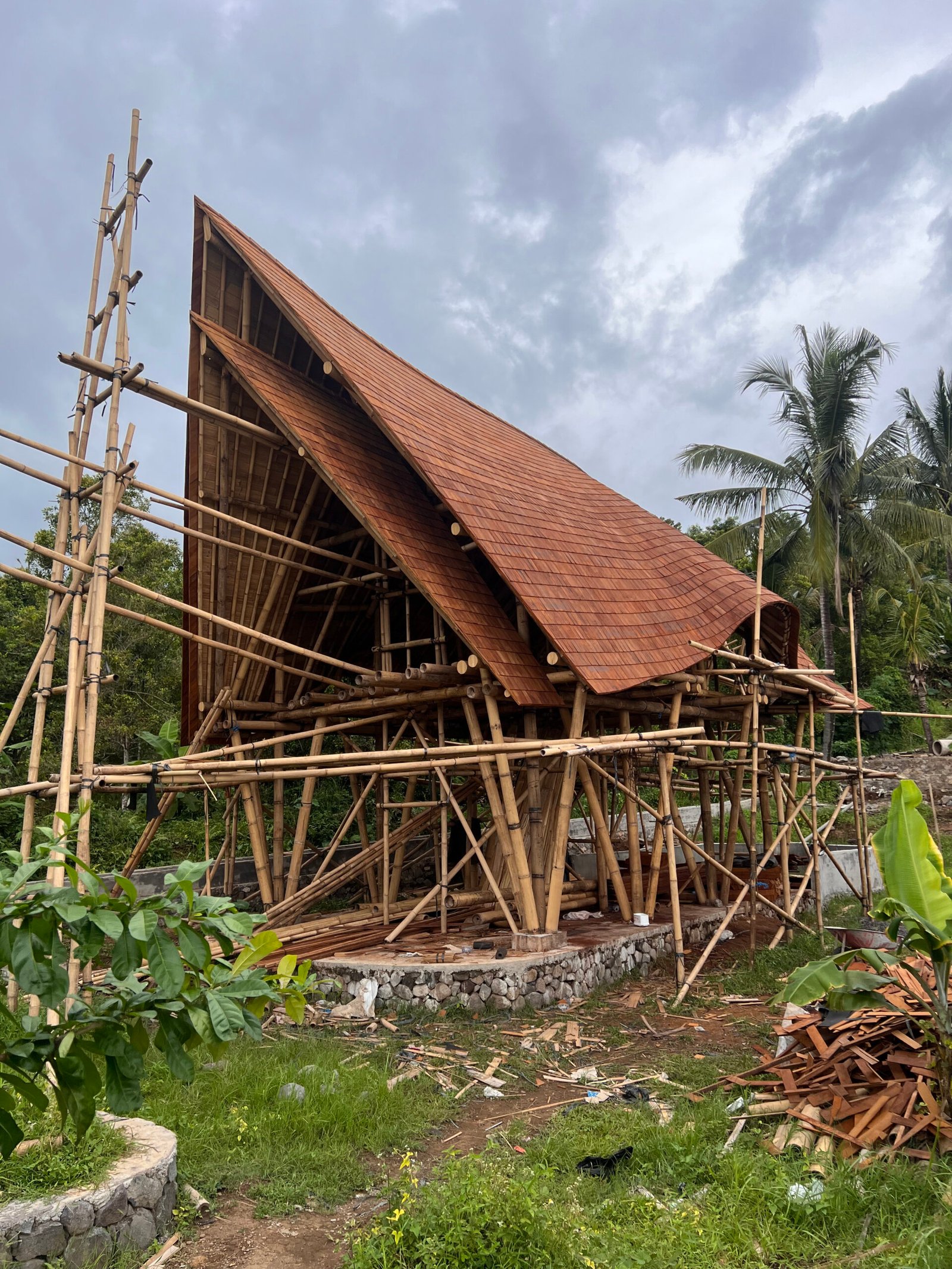
Sustainable bamboo building is becoming an increasingly popular approach to modern architecture. As environmental concerns such as climate change, deforestation, and pollution continue to grow, the construction industry is looking for more environmentally responsible materials. Bamboo offers a promising alternative because of its rapid growth, renewable nature, and natural strength. It can help create buildings that combine functionality, attractive design, and environmental awareness.
One of the main advantages of bamboo is its excellent strength-to-weight ratio. It is relatively lightweight, flexible, and strong when properly selected, treated, and designed. These characteristics make bamboo suitable for various construction applications, including houses, resorts, flooring, walls, ceilings, and decorative structures. Its flexibility can also help structures accommodate certain movements when appropriate engineering and construction techniques are applied.
The Benefits of Bamboo in Sustainable Construction
Beyond its structural properties, sustainable bamboo building offers several environmental and economic opportunities. Bamboo grows relatively quickly and can regenerate from its existing root system after harvesting. When responsibly cultivated and processed, it can reduce dependence on certain conventional building materials and support more sustainable resource management.
Bamboo construction can also support local communities by creating employment opportunities for farmers, builders, craftsmen, and local businesses. In Indonesia, particularly Bali, bamboo is increasingly recognized in sustainable architecture and eco-friendly tourism. Its natural appearance creates a connection between modern buildings and the surrounding environment, making it an attractive choice for resorts, villas, and other hospitality projects.
However, bamboo requires proper preservation to protect it from moisture, insects, and fungi. Good ventilation, suitable treatment methods, protective roofing, and regular maintenance are essential to extend the lifespan of bamboo structures. Responsible sourcing and professional construction practices are also important to ensure safety and long-term performance.
For more information about bamboo development and its applications, visit the International Bamboo and Rattan Organisation (INBAR) , which provides resources and information about bamboo and rattan as sustainable natural materials.
With the right technology and construction methods, bamboo can become a valuable material for future architectural projects. Sustainable bamboo building is not only about choosing a renewable material but also about creating structures that respect the environment and support local economic development.
Conclusion: Bamboo construction represents an opportunity to build a greener and more sustainable future. Its natural strength, flexibility, and renewable characteristics make it a promising option for modern architecture. By combining responsible sourcing, proper treatment, and innovative design, bamboo can contribute to environmentally conscious buildings while creating benefits for local communities and future generations.